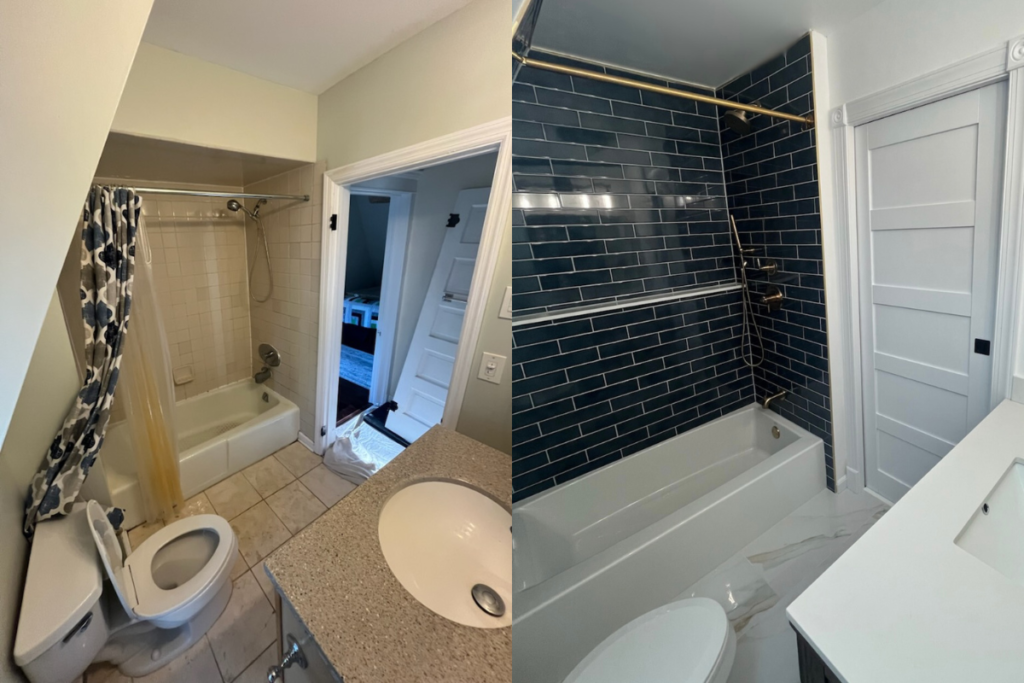
1. How Each Tile Is Made
Ceramic and porcelain start the same way: clay is dug from the ground, mixed with water, and pressed into flat shapes. After that, the two materials go down different paths. Regular ceramic is fired in a kiln, cooled, covered with a glassy coat called glaze, then fired again. The second firing bonds the glaze to the clay and gives the tile its color and shine.
Porcelain gets extra steps. The clay is ground into an almost powder‑fine mix. A stronger press squeezes it under high pressure, and the kiln reaches even hotter temperatures. That extra heat melts the grains together, leaving almost no empty spaces inside. Some porcelain tiles have color and pattern that run through the whole body, so small chips are hard to spot.
Marble is entirely natural. It forms deep underground when limestone is squeezed and heated for millions of years. Quarry workers cut huge blocks from the mountain and slice them into thin tiles or slabs. Each piece shows swirls, clouds, and veins that no factory can copy exactly.
Why does this matter? The way a tile is made affects its strength, how it handles water, and how easy it is to cut and install.
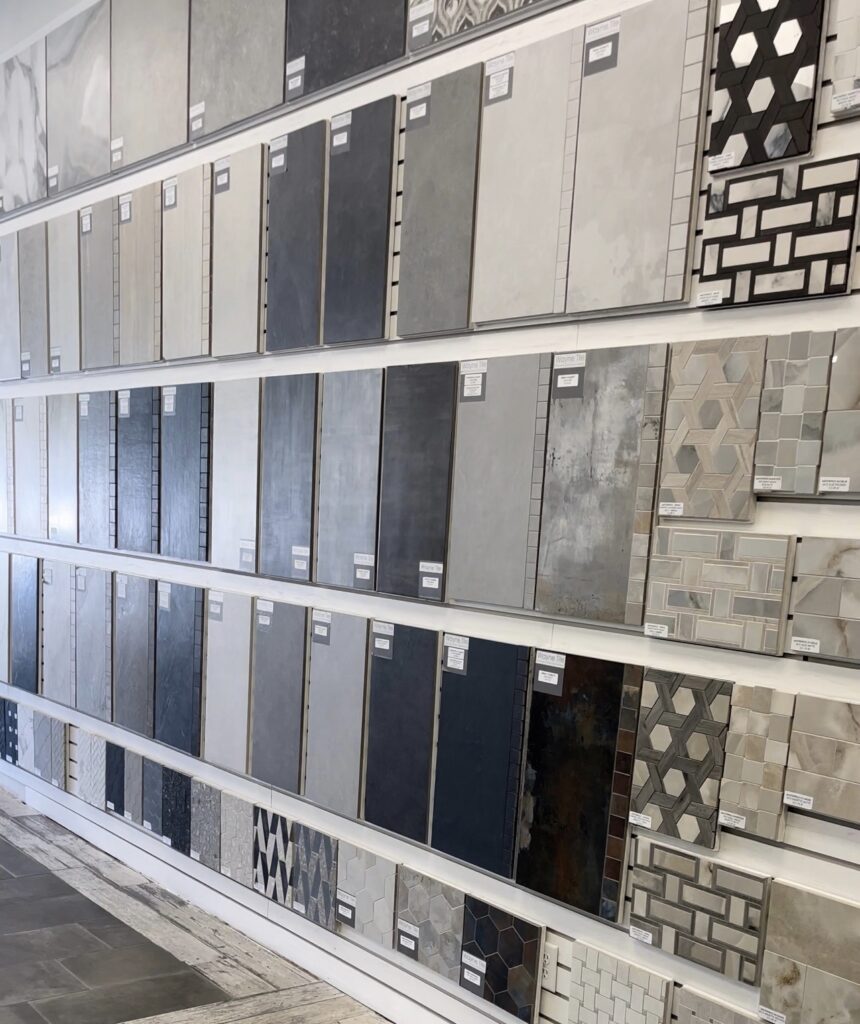
2. Durability and Water Resistance
Porcelain is the stand‑out for toughness. On the Mohs scale, which measures scratch resistance, porcelain scores higher than steel. Because it absorbs less than 0.5 percent water, it will not crack in freezing weather or soak up spills. This makes it a top choice for busy kitchens, mudrooms, and outdoor patios.
Ceramic is sturdy but not invincible. Its glazed surface blocks most stains and scratches. However, if that glaze chips, the porous clay beneath can absorb moisture and darken. Ceramic works well for interior walls, backsplashes, and moderate‑traffic floors.
Marble is softer than both manufactured options. Drag a metal chair across it, and it may scratch. Citrus juice or vinegar can leave dull spots called etches. A good stone sealer slows down staining, but it does not make marble bulletproof. Still, many historic buildings prove that well‑cared‑for marble can last for centuries.
3. Appearance and Style Options
Marble’s secret weapon is natural beauty. Under direct light, the stone seems to glow from within. Because every tile is unique, a full floor becomes a one‑of‑a‑kind mosaic.
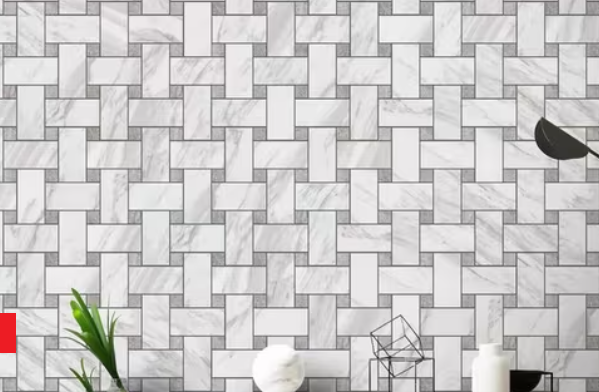
Porcelain factories now use high‑definition printers to imitate that look. They can print realistic marble veins, rustic hardwood planks, or bold graphic patterns onto porcelain bodies. Since the tile itself is strong, you get the style you want without marble’s extra upkeep.
Ceramic owns the color wheel. Bright glazes turn a simple square into a splash of tangerine, cobalt, or emerald. This makes ceramic perfect for accent walls and backsplashes where personality matters more than rugged strength.
4. Installation Factors
Tile goes down in layers: a solid subfloor or wall board, thin‑set mortar, the tile itself, then grout. Each material affects those steps in different ways.
Weight: Marble is heavy, which can stress upper‑floor joists. Porcelain weighs less than marble but more than ceramic. If the floor framing is marginal, a lighter tile might be safer.
Cutting: Marble cuts smoothly on a wet saw, but installers must align its veins for a seamless look. Porcelain’s density wears out diamond blades faster and demands slower, cleaner cuts. Ceramic is the easiest to score and snap, speeding up the job.
Edges and grout: Many porcelain lines are “rectified,” meaning their edges are ground perfectly square. That allows narrow 1∕16‑inch grout lines. Marble tiles, even with modern saws, vary slightly; grout joints of 1∕8 inch help hide size changes. Unglazed ceramic often calls for 3∕16‑inch joints.
Labor cost: Because of extra cutting time and, for marble, extra sealing steps, installers usually charge the most for marble, less for porcelain, and least for ceramic.
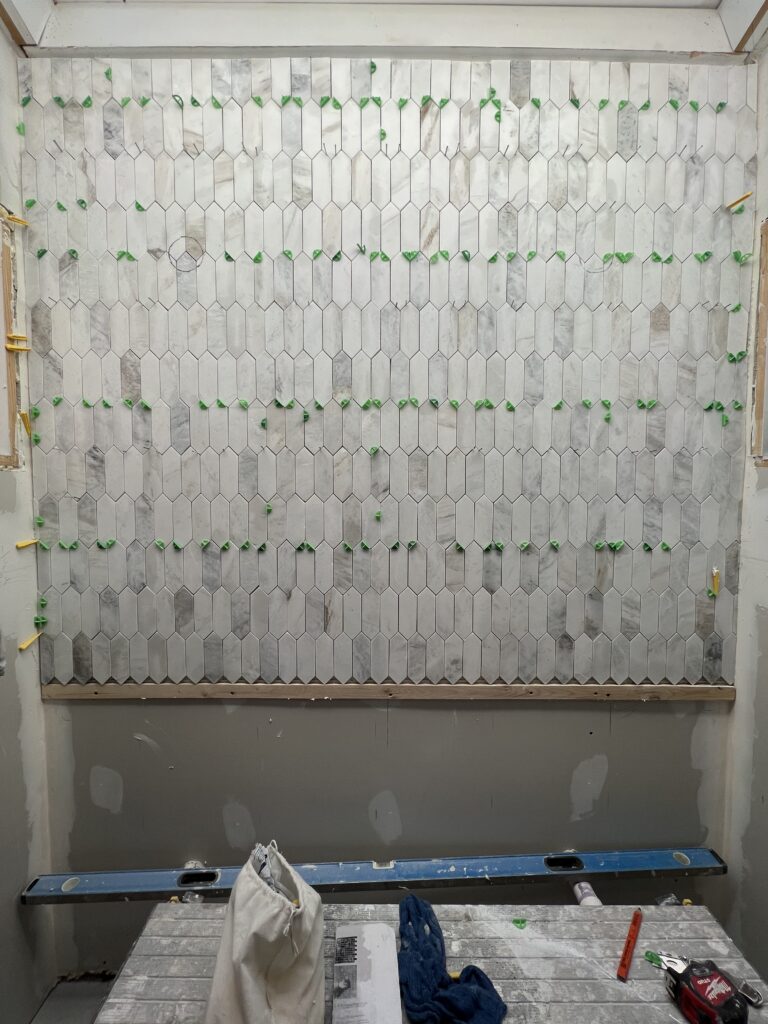
5. Everyday Care and Cleaning
Porcelain needs little more than sweeping and the occasional damp mop with mild detergent. Because stains rarely soak in, even strong coffee wipes away easily.
Ceramic behaves much the same. The main risk is chipping the glaze. If that happens, repair kits can hide small spots, but larger damage may require replacing a tile.
Marble asks for gentle cleaners—no bleach or lemon‑based products. Reseal high‑traffic marble floors every one to two years, and wipe spills quickly. Over time, fine scratches give the stone a soft patina that many homeowners learn to appreciate.
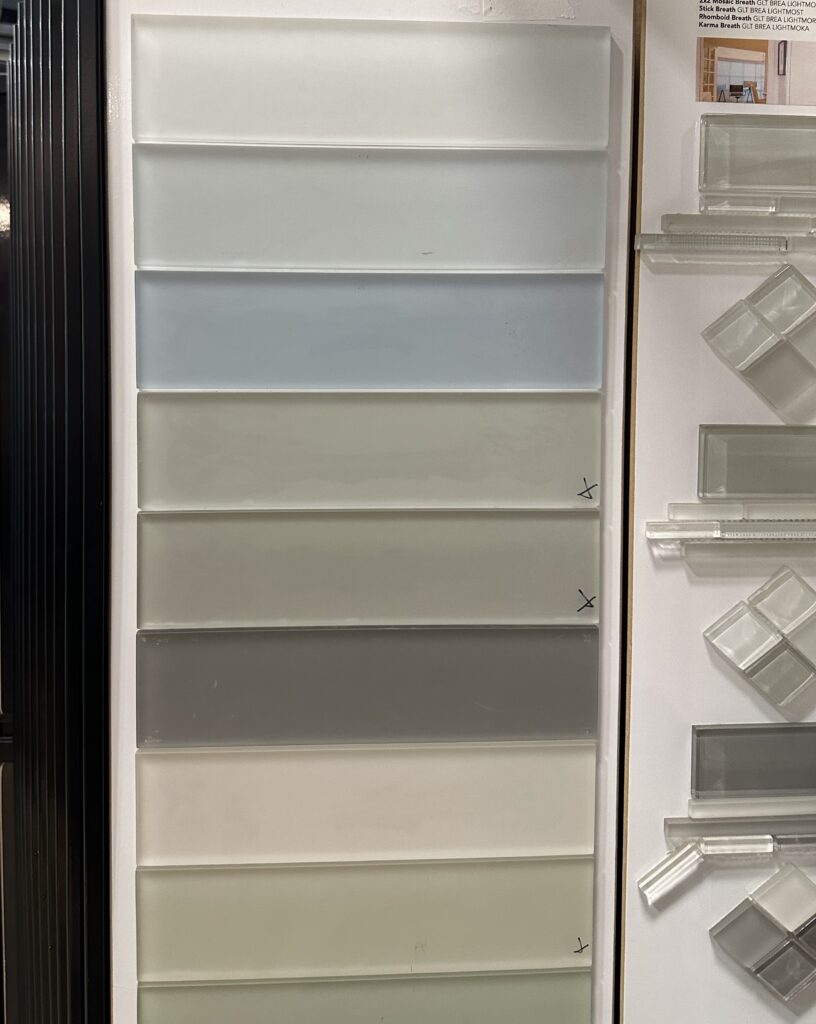
6. Cost and Budget Planning
Below are typical price ranges in U.S. dollars per square foot. Local markets vary, so always ask for current figures.
| Tile Type | Material Cost | Average Labor Cost |
| Ceramic | $2 – $10 | $8 – $15 |
| Porcelain | $3 – $15+ | $12 – $20 |
| Marble | $7 – $30+ | $15 – $25+ |
Add setting materials, trim pieces, and a 10 percent waste factor to get a realistic project total.
7. Environmental Impact
Ceramic and porcelain are made from abundant clay. Modern kilns reclaim heat and recycle water, but firing still uses energy. Because these tiles last decades, their long life can offset that footprint.
Marble is quarried, so diesel equipment and transport add emissions. Choosing stone from a closer quarry reduces shipping impact. Recycled or reclaimed stone is another sustainable option if it matches your design.
8. Choosing the Right Tile for Each Room
| Room or Condition | Best Choice | Reason |
| Mudroom or entry | Porcelain | Handles grit, water, and cold temps |
| Master bathroom floor | Marble or marble‑look porcelain | Luxury feel; good with radiant heat |
| Colorful backsplash | Ceramic | Wide color range at lower cost |
| Outdoor patio | Porcelain (rated for frost) | Low water absorption prevents cracks |
| Rental unit refresh | Sturdy ceramic or mid‑grade porcelain | Balance of price and durability |
9. Five‑Question Checklist
Traffic and moisture: Will heavy boots, pets, or standing water be common here?
Desired look: Natural stone elegance, realistic prints, or bold solid colors?
Maintenance level: Quick mop, or are you okay resealing stone each year?
Budget: Add material, labor, thin‑set, grout, and trim before deciding.
Long‑term appeal: Will the pattern still look current in ten years?
Answering these questions often points directly to one material.
10. Key Takeaways
Porcelain is the champion of hard use—dense, water‑resistant, and versatile in looks.
Ceramic brings cheerful color at a friendly price, ideal for walls and lighter‑duty floors.
Marble delivers timeless beauty and a sense of luxury, but it needs more care and a larger budget.
Match the tile to how the room will be used, the style you prefer, and the cleaning routine you are willing to follow. Do that, and your new surface will serve you well for many years, turning everyday moments—stepping out of the shower, hosting a family dinner, or greeting guests at the door—into small reminders of smart planning and good taste.